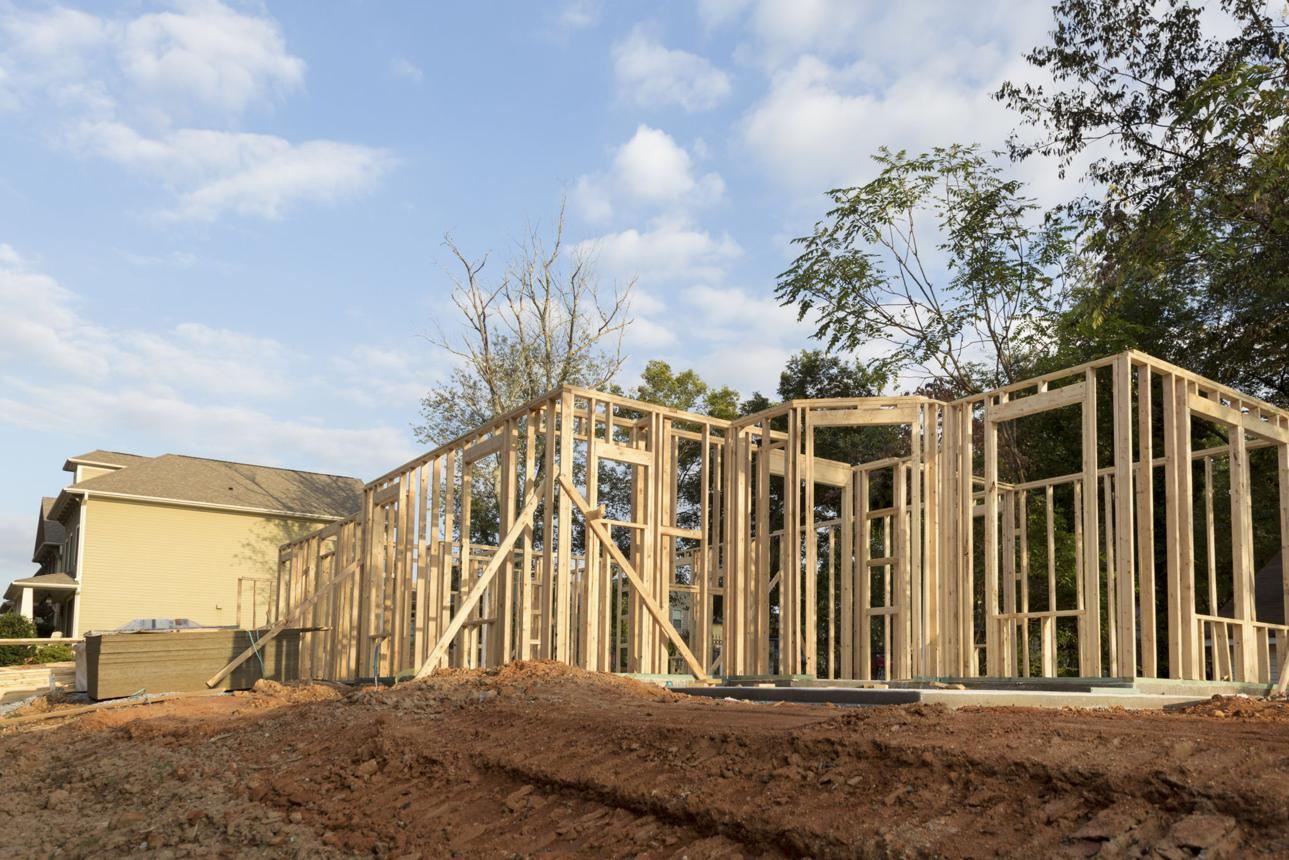
This decision directly impacts how new homes are built, financed, and ultimately priced especially for entry-level and first-time homebuyers.
What Changed?
Under the now-rescinded 2024 rule:
- New construction homes had to meet 2021 IECC energy-efficiency standards
- If they didn’t comply, they were ineligible for FHA or USDA financing
With this rollback:
- FHA and USDA loans will revert to previous (less stringent) energy standards
- The change applies initially to new construction homes
- Builders regain flexibility in how they design and construct homes
Why This Matters: Cost vs. Accessibility
Secretary Turner cited a major concern:
The 2021 IECC requirements could increase construction costs by $20,000–$31,000 per home
That’s not a small number — especially in today’s affordability-constrained market.
The Real Impact:
- Lower build costs → Potentially lower home prices
- Expanded FHA/USDA eligibility → More buyers qualify
- Faster construction timelines → Less regulatory friction
For many buyers, especially those relying on Federal Housing Administration or United States Department of Agriculture financing, this could mean the difference between owning a home vs. staying on the sidelines.
What It Means for Builders & Developers
This rollback is being widely interpreted as a pro-development move.
Builders now benefit from:
- Reduced compliance costs
- Simplified permitting and design requirements
- Greater flexibility in materials and systems
In high-cost markets like San Diego, where every dollar matters, this could:
- Increase the feasibility of new developments
- Encourage more entry-level housing projects
- Improve margins or allow price adjustments to attract buyers
What It Means for Buyers
For buyers especially first-time homebuyers this is a mixed but meaningful shift.
Pros:
- Lower home prices (or slower price increases)
- More inventory that qualifies for FHA/USDA financing
- Easier path to homeownership
Considerations:
- Homes may be less energy-efficient, which could mean:
- Higher utility costs over time
- Fewer long-term sustainability benefits
In short: lower upfront cost vs. potentially higher long-term operating cost
The Bigger Picture: Policy vs. Practicality
This move highlights an ongoing tension in housing policy:
- Energy efficiency & sustainability goals 🌱
vs. - Housing affordability & access 🏠
The 2024 rule aimed to push the market toward greener building standards.
This rollback prioritizes immediate affordability and housing supply.
Both matter but right now, policymakers are clearly leaning toward accessibility and cost relief.
What This Means in Today’s Market
In markets like Southern California:
- FHA remains a critical tool for first-time buyers
- New construction is already expensive and supply-constrained
- Any reduction in cost barriers can have an outsized impact
This change could quietly:
- Increase the number of financeable new homes
- Help builders bring more product to market
- Give buyers more negotiating power and options
Final Takeaway
This is more than just a regulatory tweak t’s a strategic shift in housing policy.
By rolling back strict energy compliance requirements for FHA and USDA loans, HUD is:
- Lowering barriers to entry
- Supporting builders
- Expanding access to financing
But as always in real estate, every advantage comes with trade-offs.
Let’s Talk Strategy
If you’re a:
- Buyer → Let’s explore how this opens up new inventory and financing options
- Agent → This is a conversation opportunity with clients looking at new construction
- Builder/Investor → Timing and positioning just became more interesting
At Park Place Collective, we stay ahead of these shifts so you can make smarter decisions in real time.
Make it a great day.
Joe Costa: NMLS: 113396
Park Place Collective: NMLS: 2571108
info@parkplacefg.com